Two homes on the same Anderson Mill street can sell tens of thousands apart. If you have wondered why, you are looking at the power of micro-markets at work. As the broader Austin market has shifted toward more inventory and a more balanced pace, smart, hyper-local pricing matters even more for your bottom line. In this guide, you will learn how to price your Anderson Mill home based on its micro-market so you can list with confidence and attract the right buyers. Let’s dive in.
Why micro-markets matter here
Anderson Mill is a mature Northwest Austin area with 1970s originals, 2000s infill, and a few higher-end enclaves. That mix creates very different price bands and buyer expectations block to block. The wider Austin region has seen increased inventory, which gives buyers more leverage and makes precise pricing essential. You can use this micro-market approach to meet the market where it is and still protect your goals.
Know your Anderson Mill micro-market
Higher-end enclaves
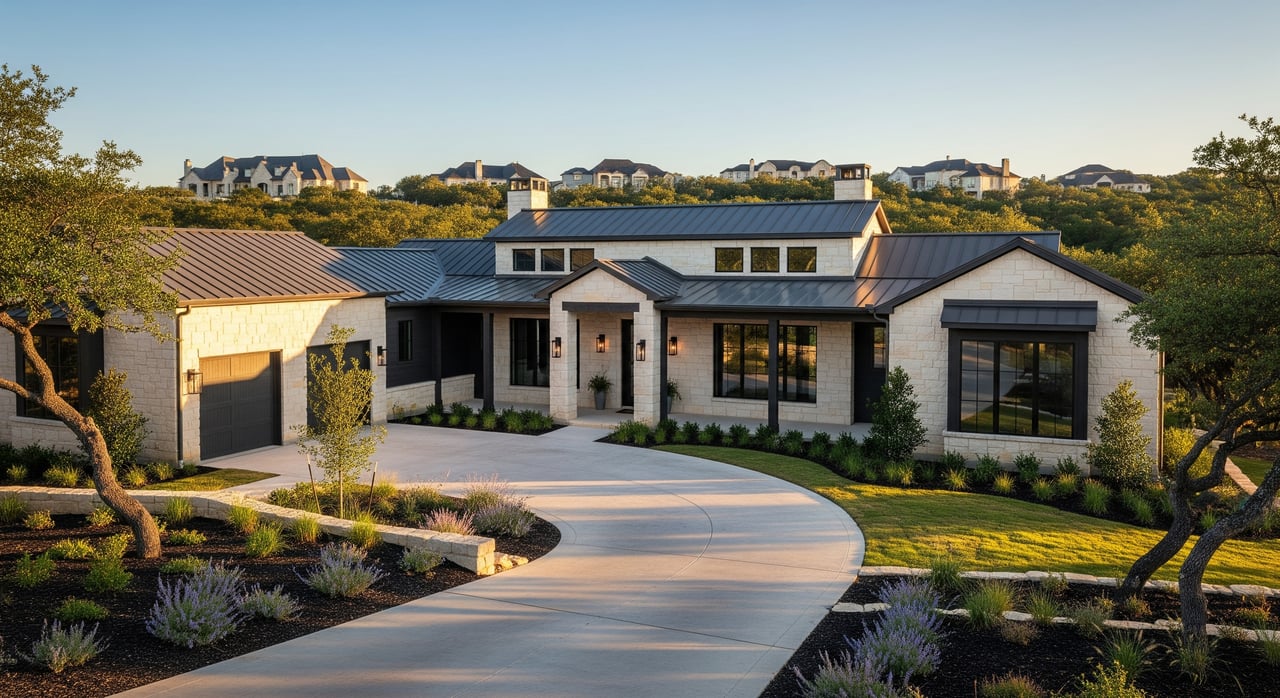
These include small executive pockets such as The Parke at Anderson Mill and nearby streets with larger lots and bigger floor plans. Homes are often newer than the core neighborhood and total prices run notably higher than the overall Anderson Mill median. Use tight, same-enclave comps and expect longer marketing windows if inventory rises. Do not mix these sales with older tracts when setting price.
Core established single-family tracts
This is the bulk of Anderson Mill sales, including sections like Village areas, Oak Forest, Springwoods, Mesa Park, Los Indios, and Lake Creek pockets. Typical pricing spans from the mid 300s to the mid 500s, with condition and size driving most of the spread. Small differences in updates, roof or HVAC age, and lot orientation can swing value by tens of thousands. Use sold comps from the last 90 days when possible and stay within the same subdivision or adjacent streets.
Condos, townhomes, and small-lot infill
Garden-style condos and townhomes near Lakeline and 183, plus small-lot infill, often price below single-family medians. HOA dues, reserves, parking, and recent renovations have a major impact on value and buyer interest. Investor buyers will also weigh rental comps and operating costs. Clarify any rental restrictions before you set strategy.
Transitional and tear-down lots
Some older parcels near major corridors trade near lot value. If you market a home as a tear-down or redevelopment play, separate your comps into land sales and finished homes. Be clear about utilities, permitting, and any district or municipal requirements. Pricing should reflect the potential highest and best use, not just the existing structure.
Key pricing drivers to check
Condition and systems
Buyers in the mid-market react strongly to kitchens, baths, flooring, and mechanical systems. Roof, HVAC, water heater, and any foundation history will influence both price and days on market. Your pricing should quantify how your condition compares to the best recent sales.
Schools and boundaries
Much of Anderson Mill is served by Round Rock ISD, with Anderson Mill Elementary or Purple Sage Elementary feeding to Noel Grisham Middle and Westwood High in many areas. Boundaries can change over time and can influence buyer demand. Confirm current zoning using district resources such as the Anderson Mill Elementary profile on the Texas Tribune site for a starting point and verify with the district directly: Round Rock ISD campus and boundary information.
AMLD amenities and fees
Anderson Mill Limited District manages parks, pools, tennis, and community programs. Amenities can attract buyers, and district assessments or fees can affect perceived value and net proceeds. Review current programs and obligations on the AMLD website.
Commute and transit access
Access to US‑183 and Lakeline area transit can be a plus for many buyers. Properties very close to major arterials may see a discount if traffic and noise are factors. For context on transit options, see the Lakeline Station overview.
Inventory and seasonality
When inventory rises, buyers negotiate more and overpriced listings sit longer. The Austin metro has experienced higher inventory in 2025 compared to the pandemic peak, which puts a premium on market-accurate pricing. For context on the regional shift, review this reporting on recent Austin housing trends.
Price per square foot vs total price
In Anderson Mill, small updated homes can command a higher price per square foot than larger, older homes. Buyers still make decisions based on the total monthly payment and overall price. Use both metrics in your CMA and explain the tradeoffs.
Pricing tactics that work here
Higher-end enclaves
- Pull 6 to 12 months of same-enclave solds and pendings, adjust for finish level and lot.
- If inventory is thin and your home is turnkey, consider pricing near the top of the recent range to test demand.
- If inventory has grown, price in line with the strongest recent comp and lean on presentation to win.
Core single-family tracts
- Start with 3 to 5 closest sold comps in the last 90 days, expand to 6 to 12 months only if needed.
- Present three strategies: aspirational, market-competitive, and expedited sale. Tie each to expected days on market and likely negotiation.
- Quantify upgrades and age of systems so buyers can see value against nearby listings.
Condos and townhomes
- Lead with HOA facts: dues, reserves, special assessments, parking, and rental rules.
- Compare updated units to updated units to avoid misleading price per square foot gaps.
- For investors, include rent comps and estimated cap rate ranges based on recent leases.
Transitional lots and tear-downs
- Build separate land-value comps and new-build comps. Do not blend them with lived-in sales.
- Disclose utility connections, easements, and any permitting or district requirements up front.
- Price to the most likely buyer, whether that is an owner-occupant or a builder.
What to ask your agent before you list
- What is the recommended list price range for my micro-market and why?
- Which 3 to 5 recent sales are my best comps and how does my condition compare?
- What days on market should I expect at each price strategy and in this season?
- Which pre-list repairs or updates will net the highest return in this micro-market?
- How will you market to the right buyer profile for my home type and location?
- What are my AMLD obligations and how should we present amenities and fees to buyers?
How buyers can evaluate value
- Confirm current school zoning with the district before you write an offer.
- Review AMLD amenities and any assessments so you can budget accurately.
- Compare similar update levels, not just size and price per square foot.
- Check commute times and proximity to transit if that affects your daily routine.
- Ask your agent for a micro-market CMA so you do not overpay across a boundary line.
Local context to keep in mind
Anderson Mill sits within Austin city limits and has a long history as a community with its own amenities and services. That background helps explain why similar-looking streets can perform differently over time. For general neighborhood context, you can read the Anderson Mill overview. As the metro’s inventory ebbs and flows, a micro-market approach will keep you aligned with real demand.
Ready to price your Anderson Mill home with precision? Get a custom, micro-market CMA and a clear plan from a broker who works these streets every week. Reach out to Rodney Bustamante Real Estate for a zero-pressure consult.
FAQs
How do I figure out my Anderson Mill micro-market?
- Start with your home type and location, then match it to one of four buckets: higher-end enclave, core single-family tract, condo or townhome, or transitional lot, and build comps within that same bucket.
Do AMLD amenities and fees affect my sale price?
- Yes, buyers value parks and pools, and they also consider district assessments, so disclose details from the AMLD website and position amenities as part of your value story.
How do school boundaries influence pricing in Anderson Mill?
- Boundaries can shift and can influence demand, so confirm current zoning using district resources such as the Anderson Mill Elementary profile and verify with the district directly before pricing or offering.
What does higher Austin inventory mean for my listing?
- With more choices, buyers negotiate more and overpriced homes sit longer, so use recent comps and a competitive strategy that reflects the current regional trend.
Should I renovate or stage before listing in the core tracts?
- Focus on high-ROI cosmetic updates and staging, then price against recent updated sales, since big structural projects rarely return full value in a mid-market sale here.